


Umbrian is a third-person puzzle 3D platformer inspired by classic PlayStation 1 & 2 games from the late 1990s and early 2000s. The game is set in the depths of a cave with ascending and escaping being the overarching themes.
This project was conceptualised and created during lockdown 2020/2021.
Umbrian won the industry vote for the Falmouth Game Expo 2021.






My Contribution
Umbrian was developed by a 10-person team during the lockdown, from September 2020 to April 2021. However, due to Covid-19, there were frequently only a few of us working on the project. As a result, my group had to deal with a variety of constraints that impacted Umbrians' design, art, animation, programming, and writing.
My contributions consisted of:
-
Level Design
-
Puzzle Design
-
Particle effects
-
Lighting
-
Creating the Main Menu
Level Design
Originally, Umbrian was supposed to have three levels, one for each of the group's designers. Due to Covid-19 related issues, I was frequently the only active designer, which meant that the level I designed (Level 1) became the game's sole level. Once informed that this would be the only level, I decided to expand on what was already created in order to make the single level more satisfying for the player.
As an admirer of classic 3D platformers from the late 90s and early 2000s, I was excited to work on one myself. Throughout the development of Umbrian, I was heavily inspired by games like Spyro and Rayman, which I believe is reflected in my work.
When it came to designing Umbrian's level, I had a significant amount of freedom, only having to follow two requirements:
-
To be set in a cave that ascends towards the end
-
To incorporate use for the spells (Fireball, Levitation, Blink)
As this was the first level, I decided to focus on introducing the player to the spell mechanics. I decided to design a puzzle for each spell, allowing the player to become familiar with them. The goal was to introduce the player to the spell mechanics and eventually leading up to the final puzzle area, which combined all three spells. However, I had to adapt due to last-minute technical (and Covid-19-related) issues with the blink puzzle and the levitation puzzle. I designed a jumping puzzle to replace the blink puzzle and a rotation puzzle to replace the levitation puzzle.
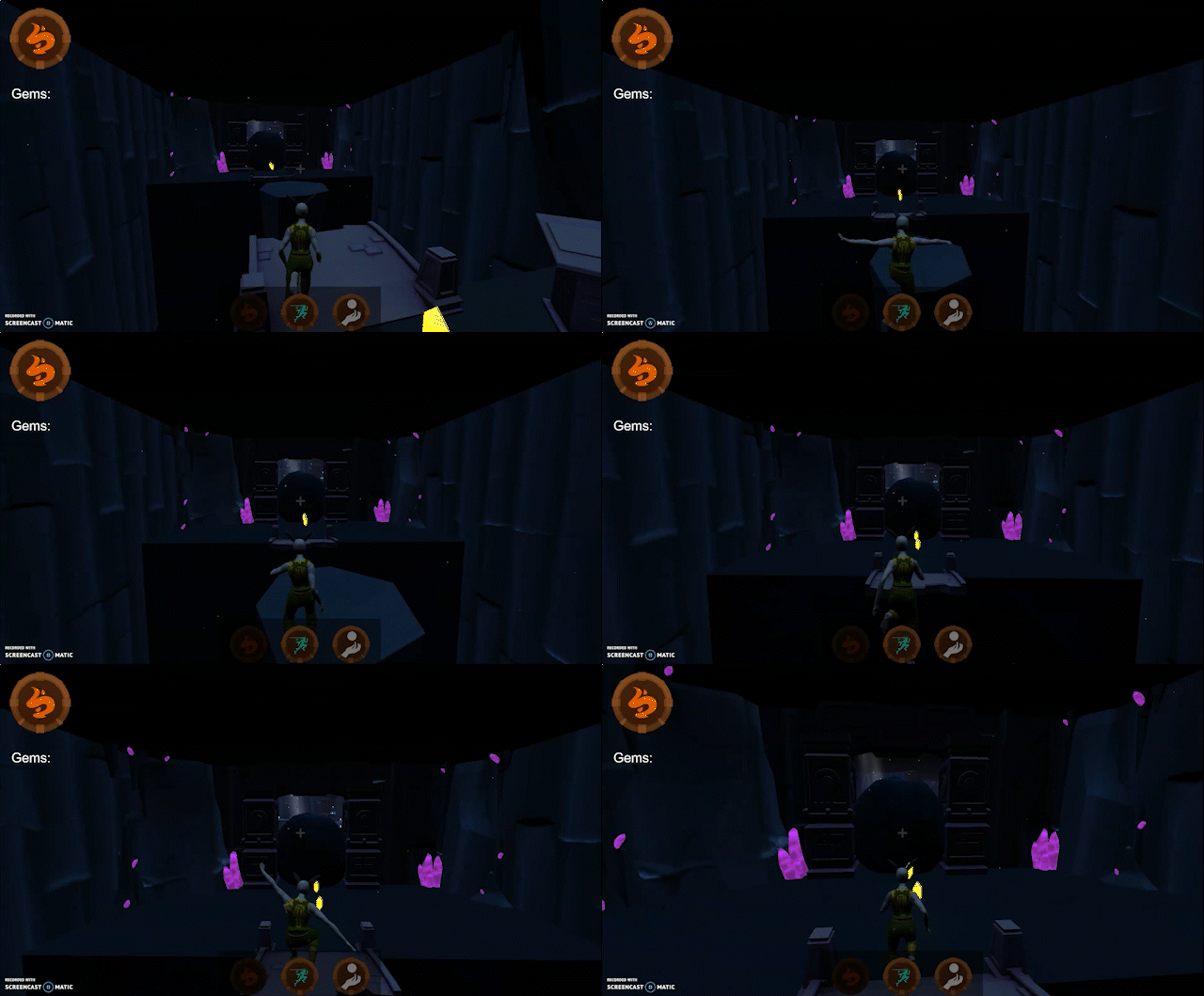
The overall objective of the level is to complete 3 puzzles in order to move crystals that are blocking the end door. When the player completes a puzzle, the camera depicts a crystal moving, indicating that there are more puzzles to solve before they can exit.


Start Area

Initially, the start area served only as the player's spawn point and upon entering the Hub Area, the player would then would be greeted by three branching tunnels, each leading to different puzzle areas where they would learn each of the spell mechanics. However, due to the decrease of the scope and that this level was now the only one, I wanted to present the mechanics to the user as soon as possible so they could use them right away and make the experience more fulfilling.
To teach the player the Levitation mechanic, I decided to incorporate a straightforward puzzle that requires the player to levitate a sphere and place it on a pressure plate to open the door and advance. Facing the player upon spawning is a stone tablet which, when approached, explains the area's puzzle and informs the player on how to use the Levitation spell.
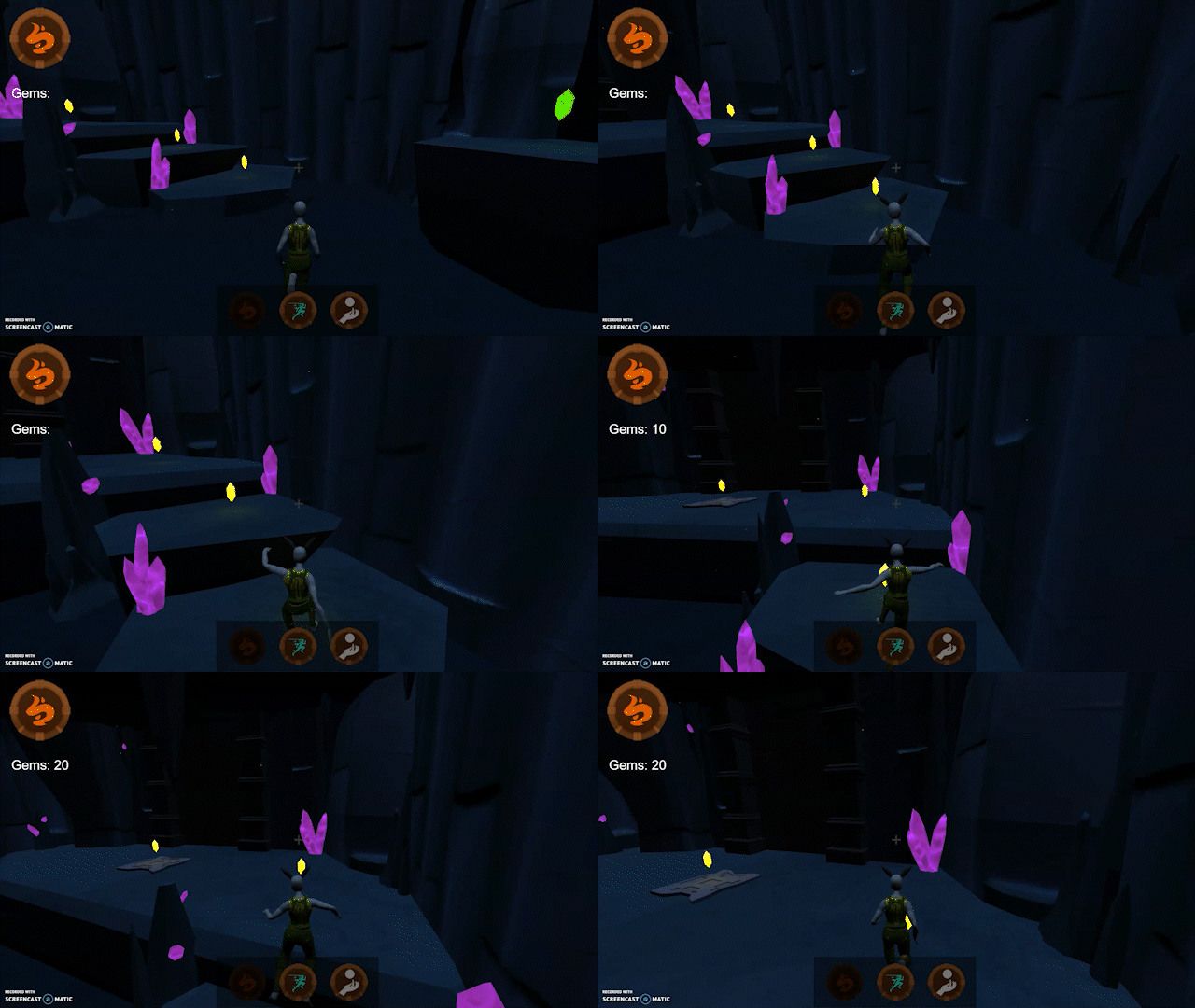
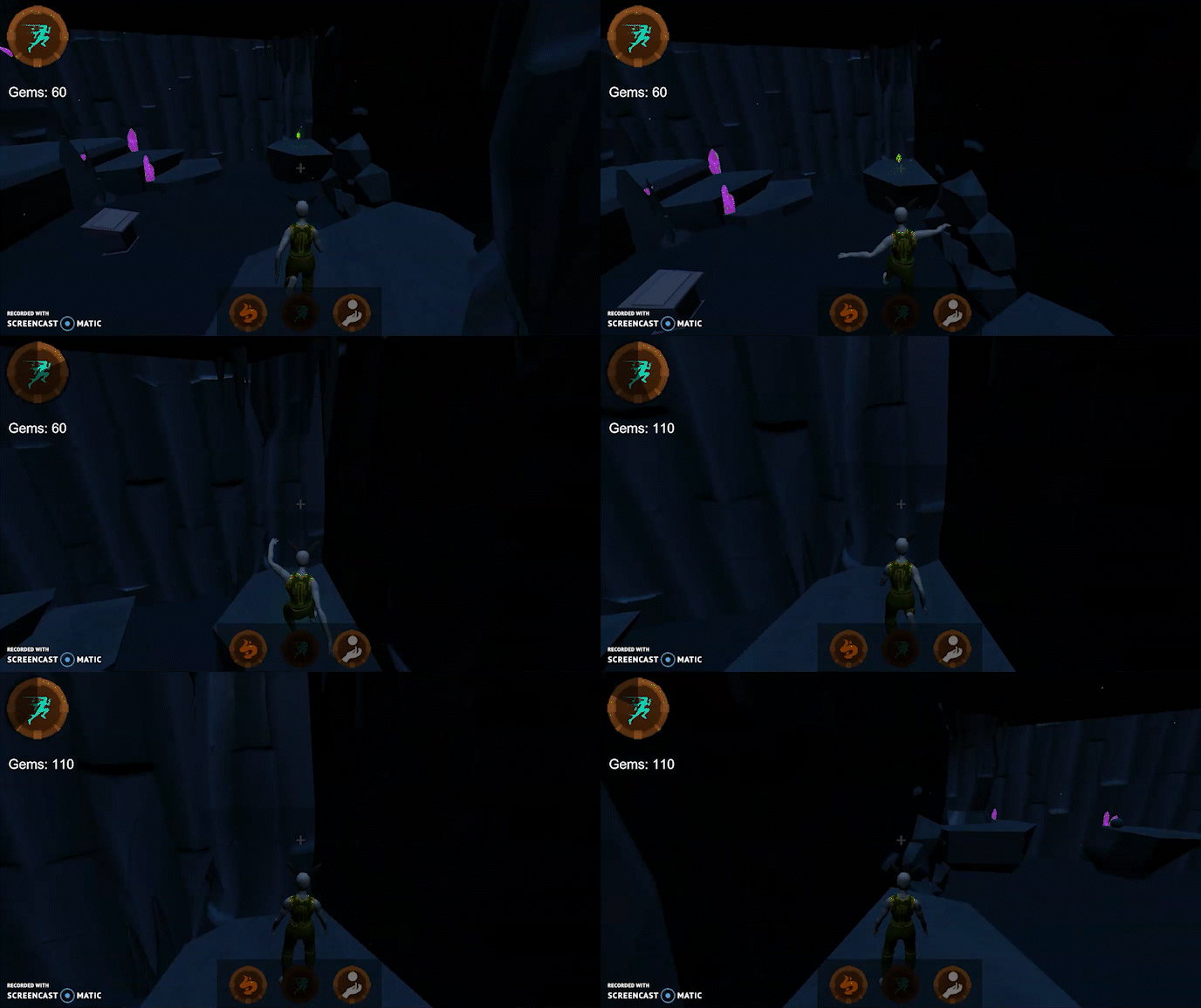
To introduce the player to the blink mechanic, I placed a gem of a visibly different colour (green) on a far platform that the player cannot reach by jumping, encouraging them to reach the gem using their spells. I did this to show the player that there was a way to get to locations they couldn't jump to.
I wanted to inform the player that they could only go forward, however, I wanted to maintain immersion. I decided to add rocks piled up behind where the player spawns, alluding to the way that they entered the area, which was now blocked. Due to our scope decrease, this became beneficial as we didn’t have the scope to add cutscenes.

Bridge Area

I made the choice to introduce the fireball mechanic to the player after the Start Area but before the Hub Area. This area was added to the level after the scope decreased in order to teach the player the fireball mechanics as soon as possible.
In order to use a stalactite as a platform and cross the bridge, the player must shoot it down. I added red crystals to the stalactite and every other shootable stalactite in order to establish an association. I wanted the player to be aware that they can use fireball mechanic when they see a stalactite with red crystals. I chose red as players frequently link that colour with enemies (who they shoot) and crystals as the environment features a variety of pink crystals.
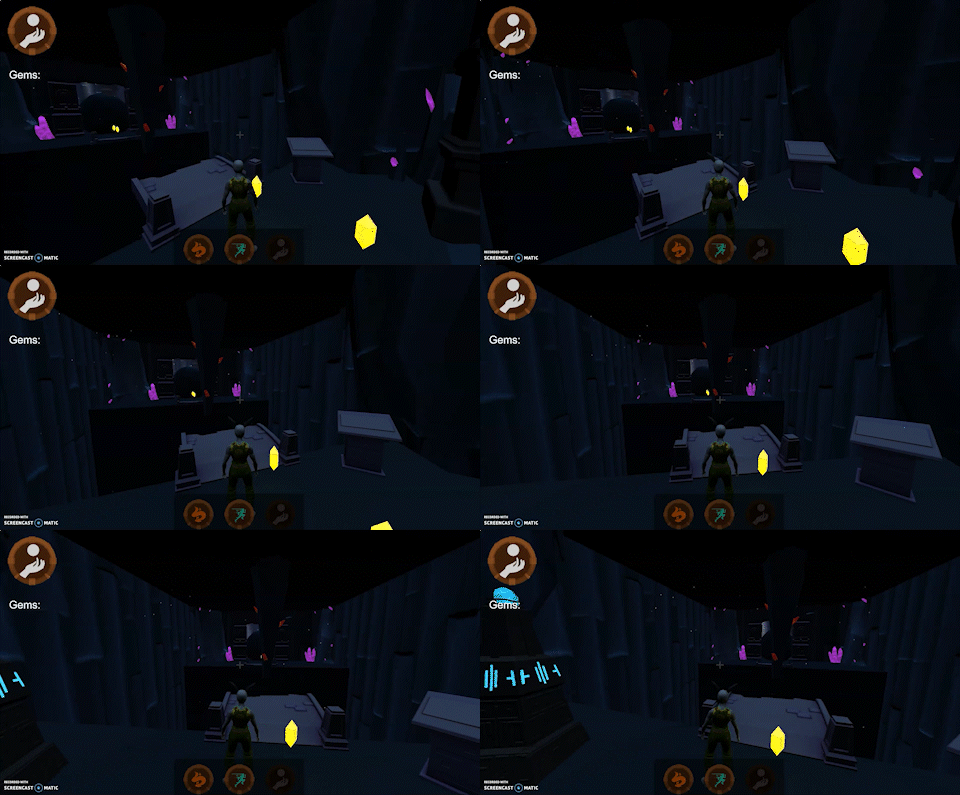
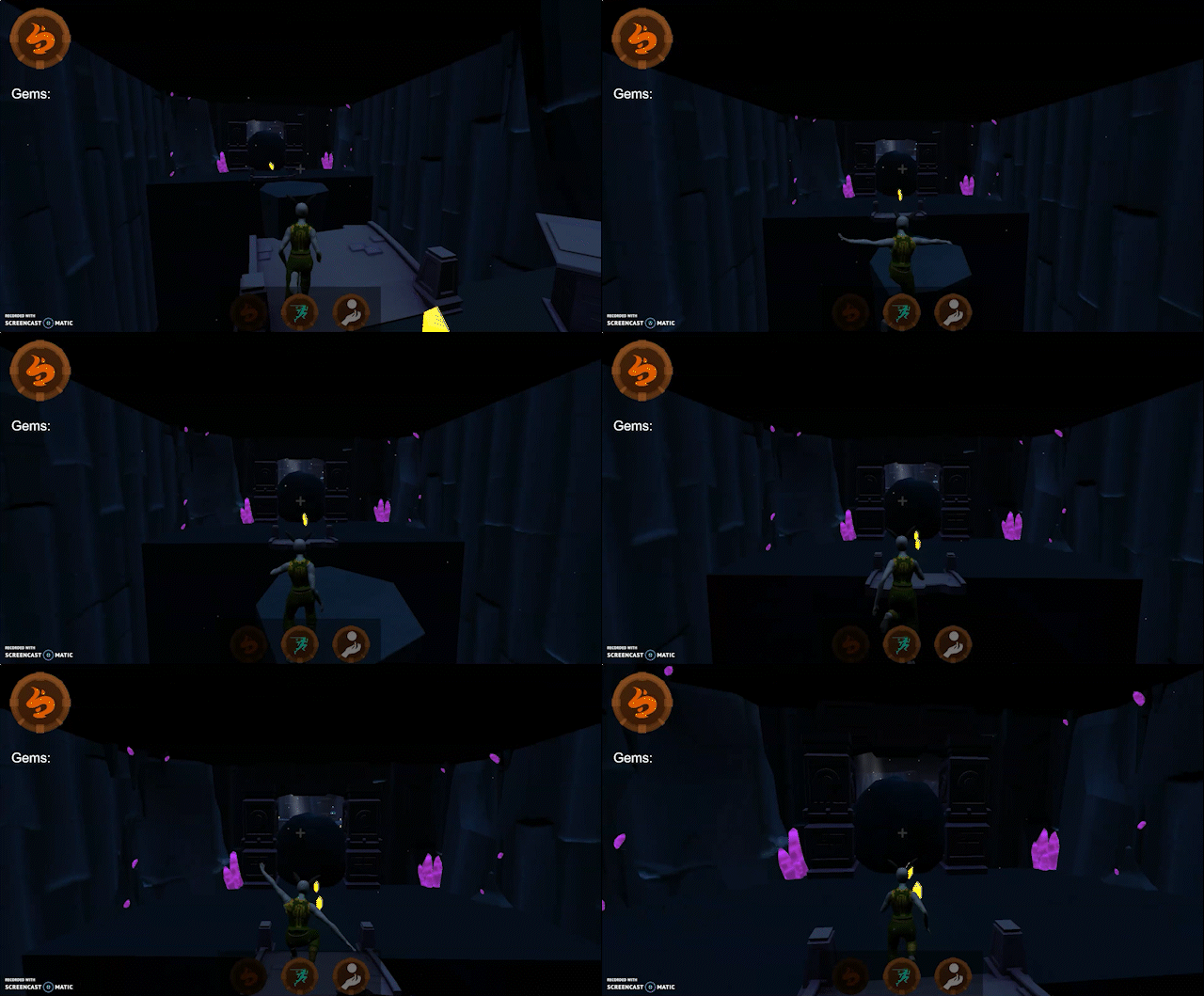
Another association I wanted to create was with cracked walls which are included to reveal hidden areas and show the player that exploration will be rewarded. I wanted the player to realise that this crack would indicate a weak spot where they could shoot and break the wall. However, due to Covid-19 and the restrictions we had on our art because of it, we had to use our placeholders which were not seamless in the level and closely resemble boulders.
There is also a stone tablet that explains the red stalactite crystals and the cracked walls in case the player does not draw this connection on their own. Due to the bridge and the risk that the player could fall, this is where I also introduced them to the checkpoint.

Hub Area

With the game being inspired by the classic titles of the 90s and early 2000s, I thought a Hub Area would be ideal and reminiscent of these games that often feature Hub Worlds.
As previously mentioned, this area was intended to be a small hub area that was utilised to connect the puzzles. I wanted to create a less linear level that placed a focus on exploration. Additionally, this would enable the player to learn the different mechanics and be able to easily go back to use them in the previous areas.
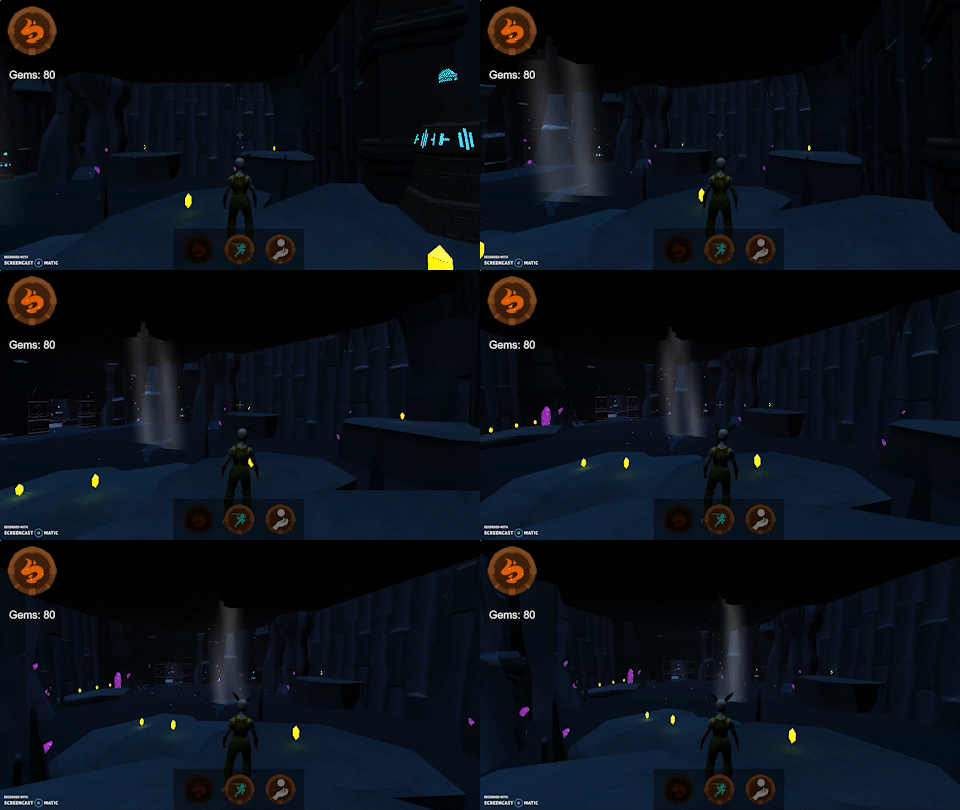
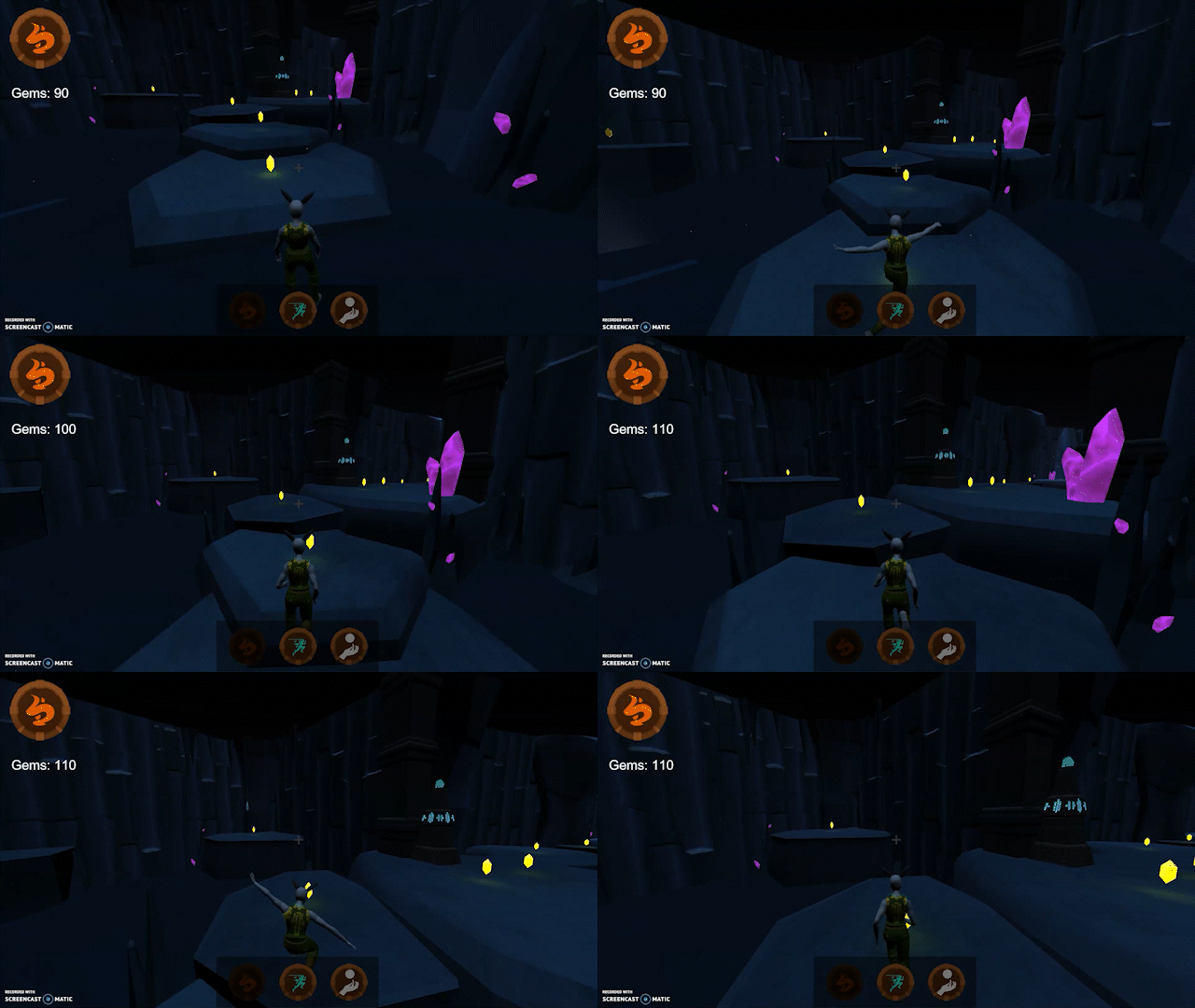
I decided to have the areas branch off in opposing directions, with the final puzzle area (Puzzle Area 3) situated the farthest from and immediately across from the Hub Area. This was in the hopes that the player will realise that this was the way to advance.
Connecting Areas


To connect each puzzle area to the Hub Area, I created corridor-like spaces that encouraged the use of spells. Because Umbrian is a platformer, I decided to incorporate a lot of platforming elements into these areas as well. In addition, some of these areas have hidden areas where the player can shoot a cracked wall to reveal a secret area containing various green gems.
Puzzle Area 1
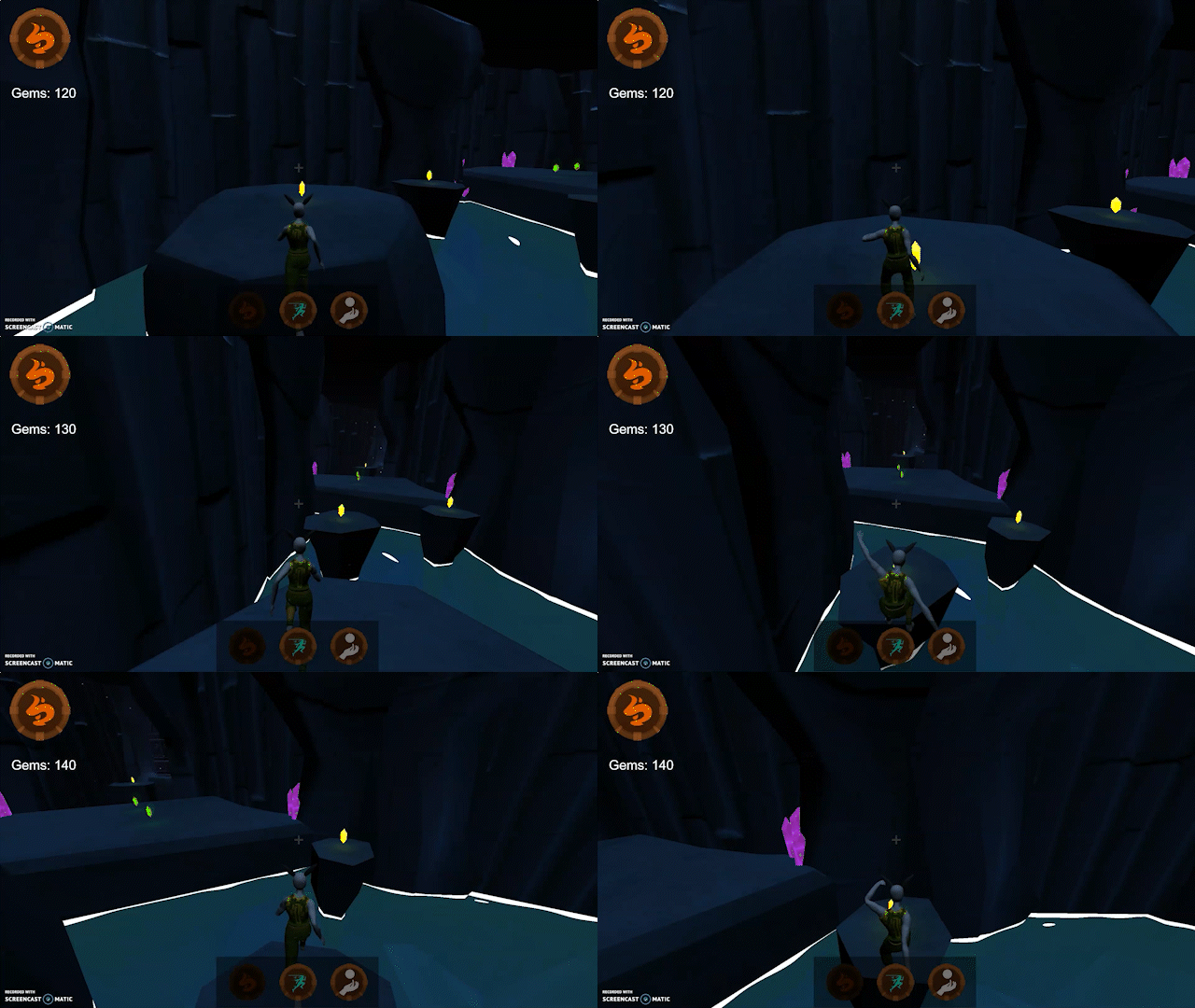
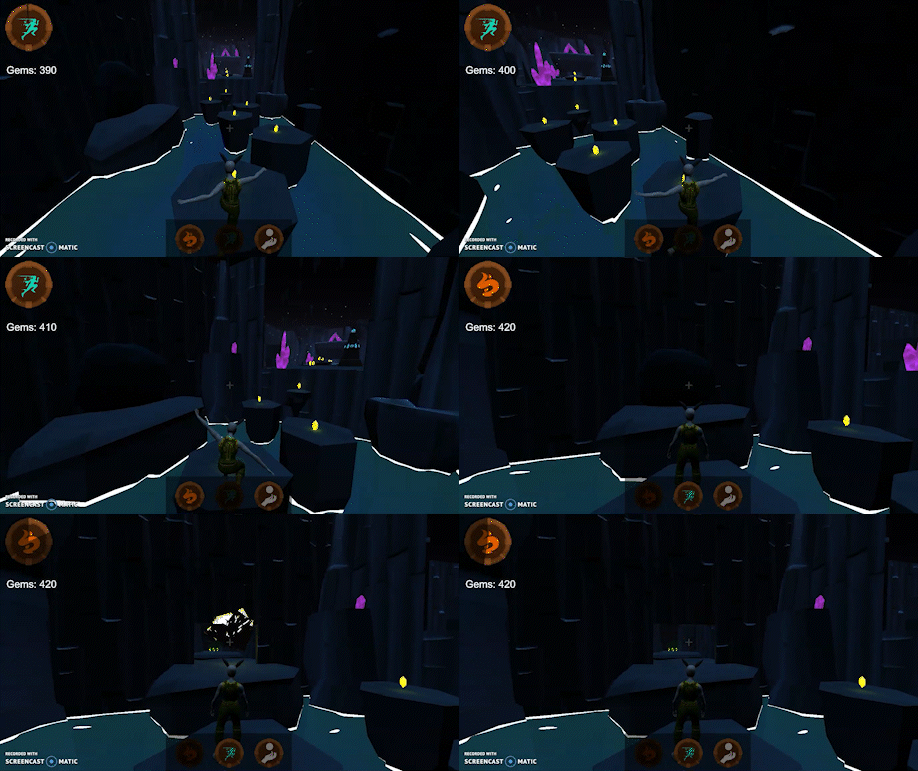
This puzzle area is the only area that has physically remained largely unchanged since development began. Despite the fact that this is the case, the Blink spell was initially introduced to the player through this puzzle. The player had to utilise the Blink spell to reach floating platforms that were out of reach when jumping normally. However, I had to alter and convert it into a simple jumping puzzle due to a last-minute problem with the mechanic.

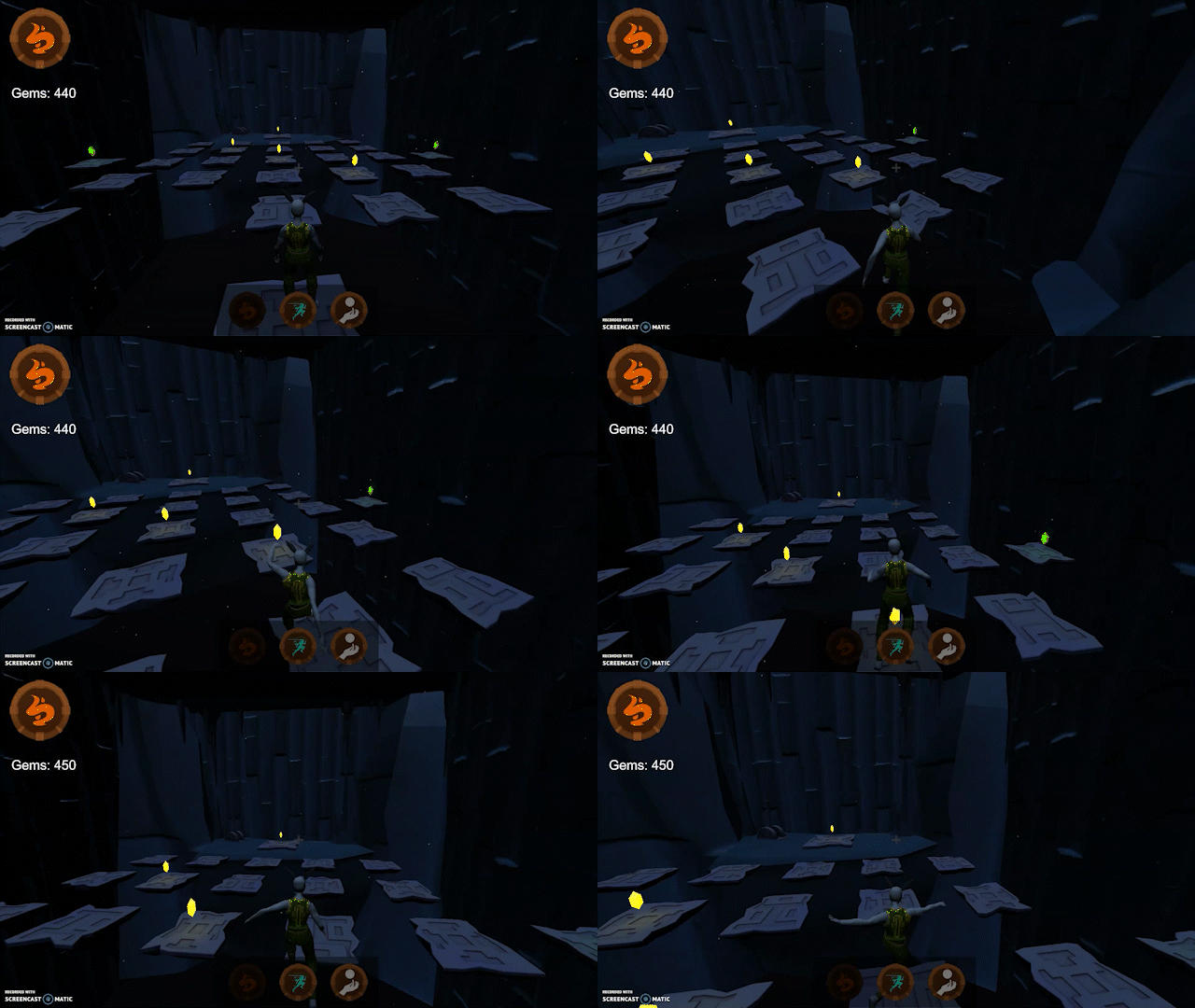
I altered the puzzle's design after we experienced last minute problems with the Blink mechanic's original puzzle, by making it so that once the player lands on specific floating platforms, they would fall. The goal of this puzzle was to step onto a pressure plate on the opposite side of the area, which would move one of the crystals obstructing the end door. Once the pressure plate has been triggered, the camera will cut to the end door as the crystal moves, informing the player that this was the goal and that there was another crystal to move.
However, if the player falls in this area, they will respawn at the start of it. In addition to this, the floating platform that fell, will remain gone. This keeps the level from getting tedious and makes it more accessible to players of all ages. --add gif of falling--
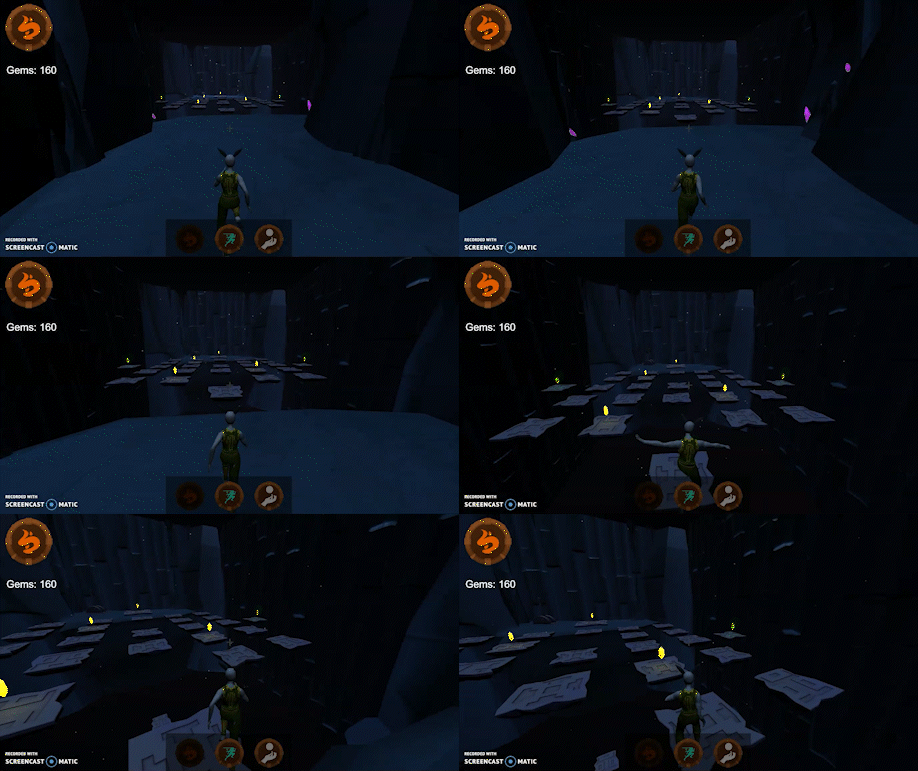
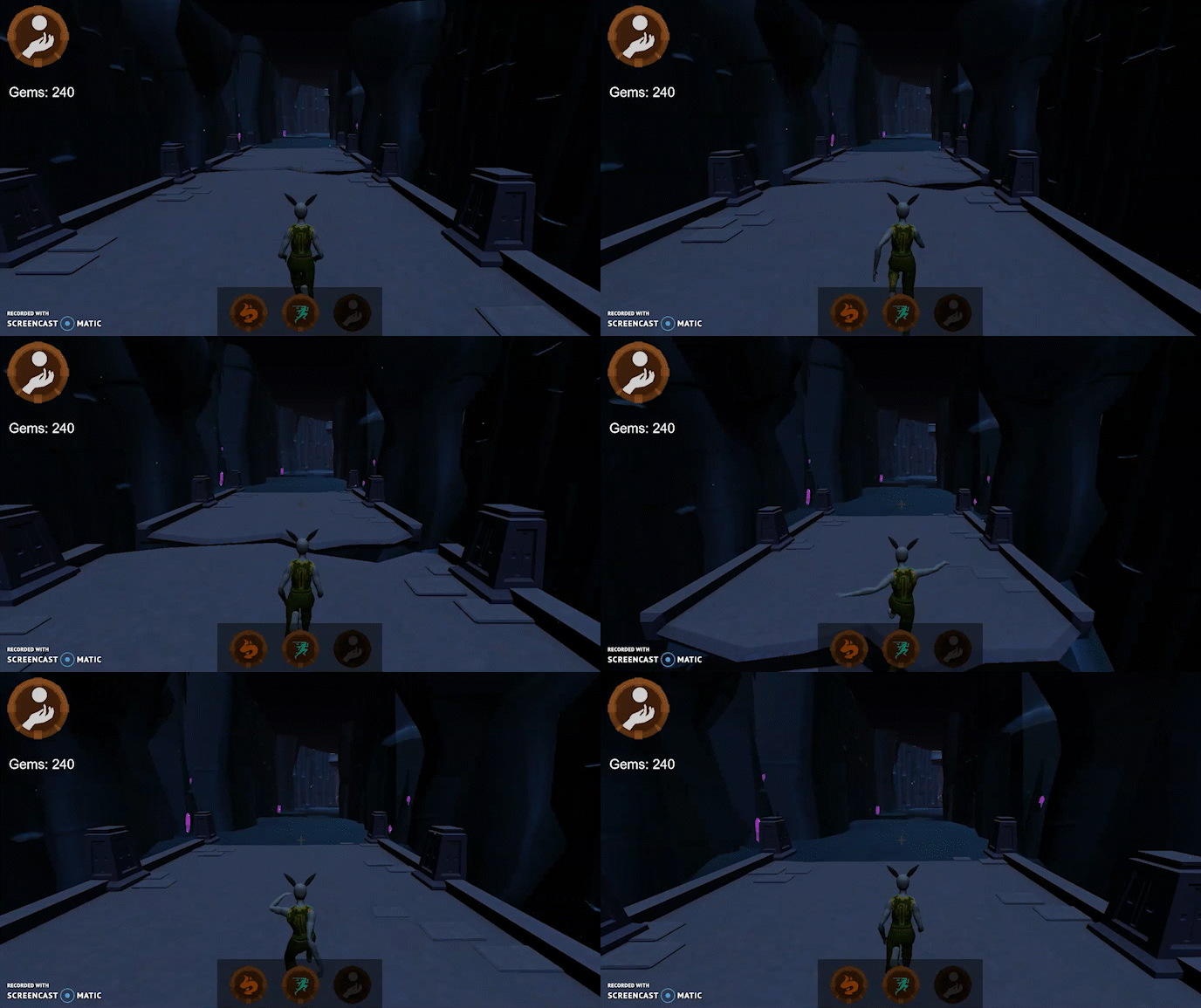
The player has two options after stepping onto the pressure plate: they can either jump back the way they came or use their levitation spell to activate a lever, causing a bridge to emerge.
Puzzle Area 2
Originally, this puzzle intended to primarily utilise the levitation spell, but we were forced to adapt it when the programmer responsible for developing this mechanic became unavailable. The goal for this puzzle was to now rotate each plate in order to align a pattern in the stone.

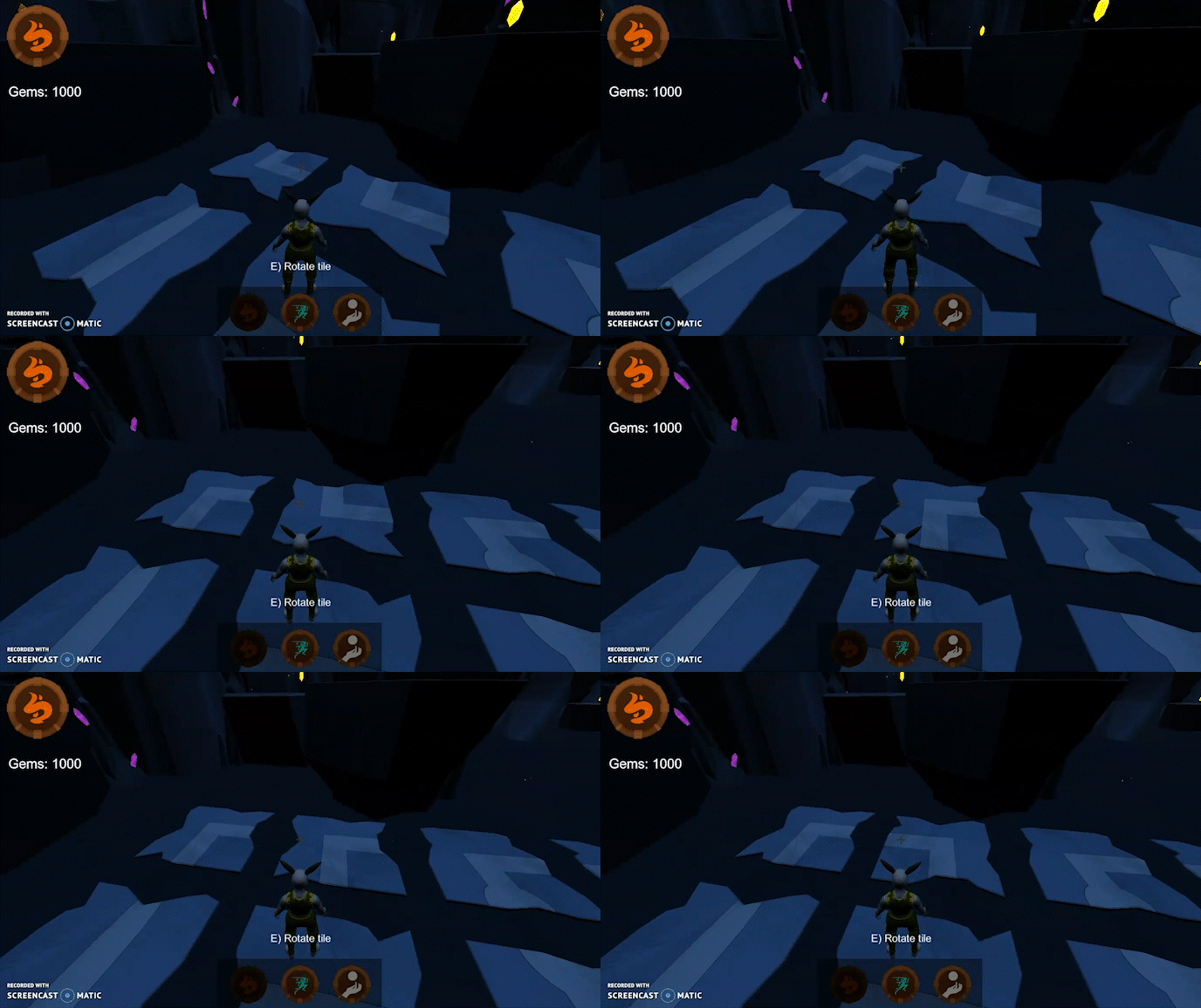
Identical to the last puzzle, when this one is finished, the camera will cut to the end door as the crystal moves. If the player has already finished the previous puzzle, there won't be any crystals left, suggesting that they should find the end door next.
I decided to have platforms leading up to a ledge that over looks the puzzle. I did this in order for the player to step back if they ever feel confused on how the puzzle is meant to look. Giving them a top-down perspective is beneficial in solving how the plates are meant to be aligned
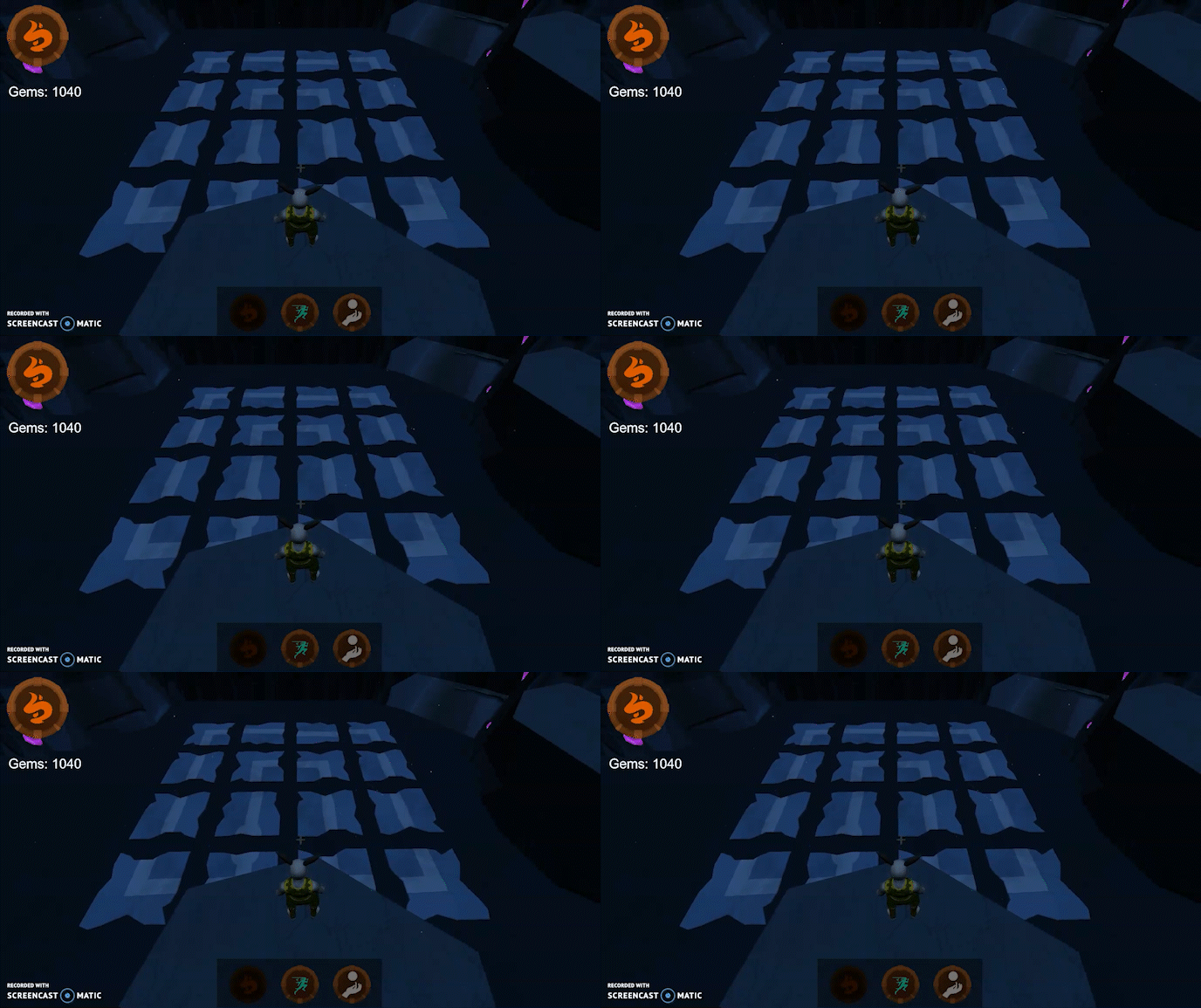

Upon entering this area, I positioned a green gem on a high shelf on the cave's wall. This was done to encourage exploration and in the expectation that players will associate the green gems with rewards and hidden locations.
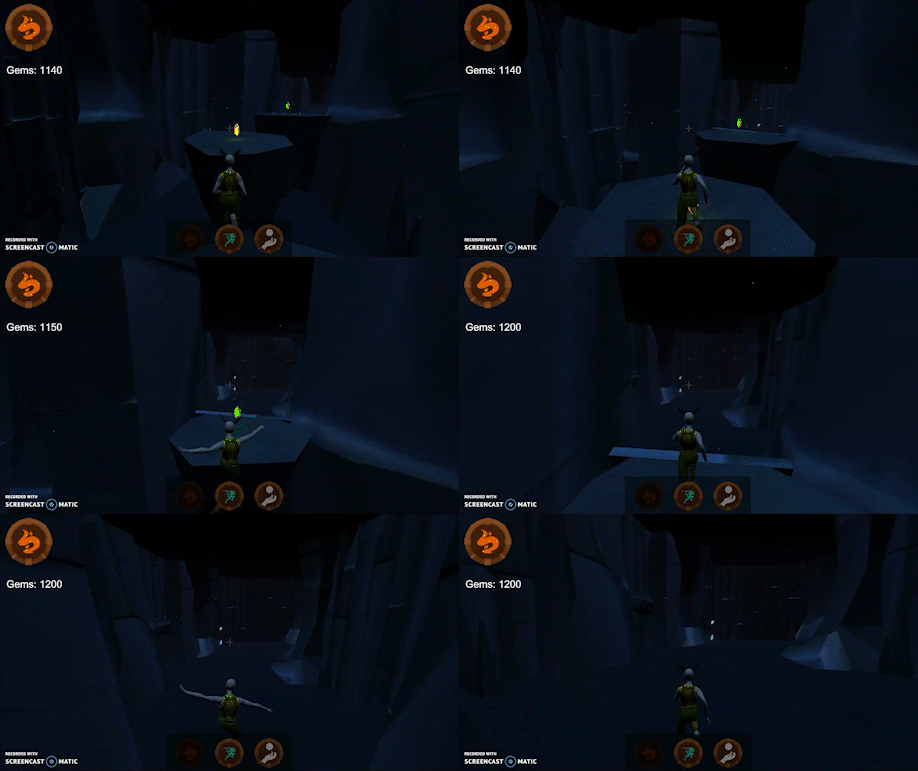
After completing the puzzle, the player can discover a part of the area where they can platform to reach the green gem. Then they can drop down and leave the area, saving them from having to travel back.
Puzzle Area 3

This last puzzle had gone through various iterations. I wanted to combine all three of the previously learnt abilities, allowing the player to apply what they have learnt so far. To block this area out, I began simple. If I could revisit this area, I would make it less square, stretch it out and incorporate more verticality.
The goal for this puzzle is to levitate 3 spheres positioned around the environment and set them onto pressure plates to open the door. This is a parallel to the first puzzle. The initial idea for this level was to also incorporate the blink mechanic to jump to further areas. Again, due to the last minute issues with the blink mechanic, a team member removed the left side of this puzzle area upon creating a build for our submission.
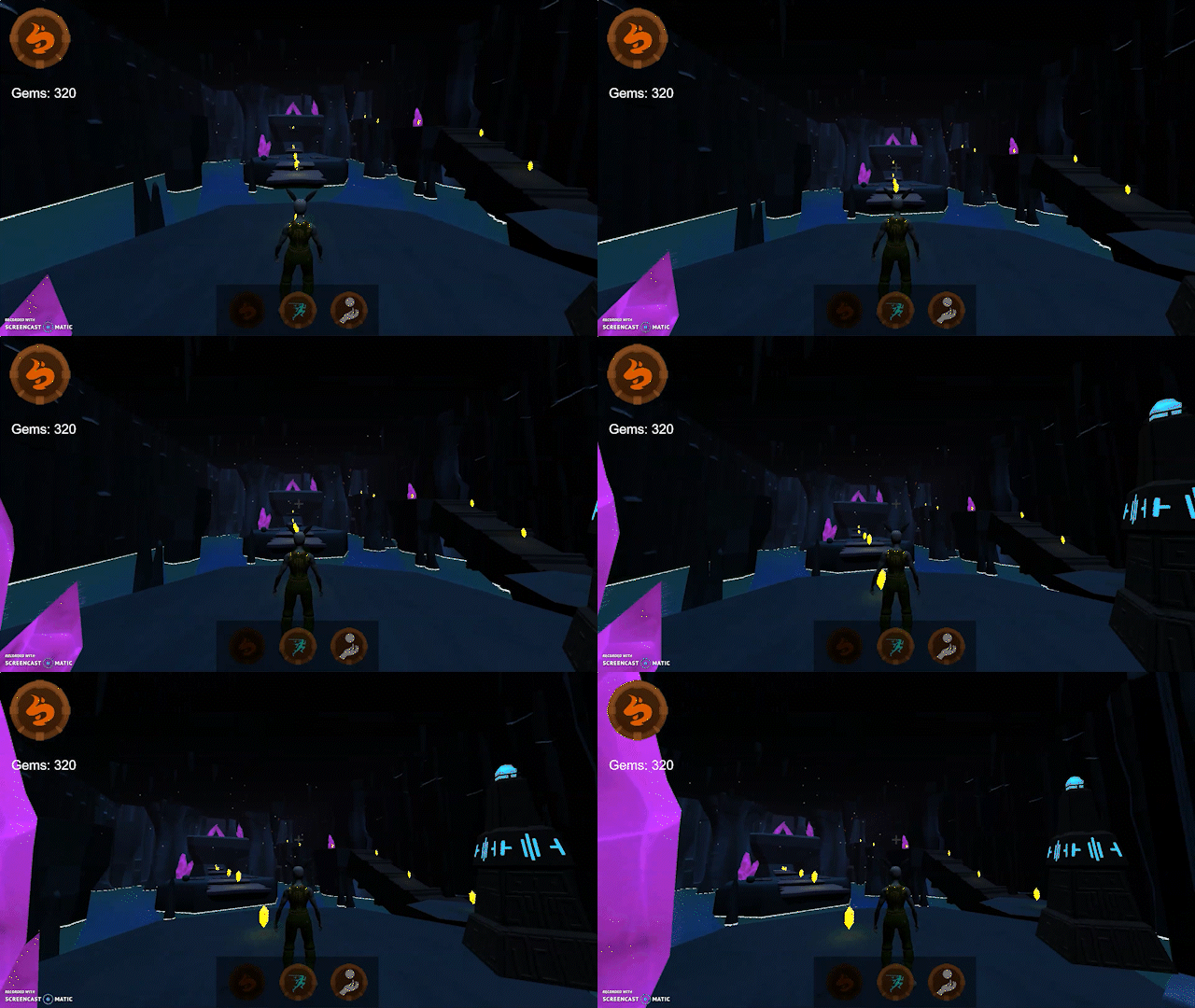
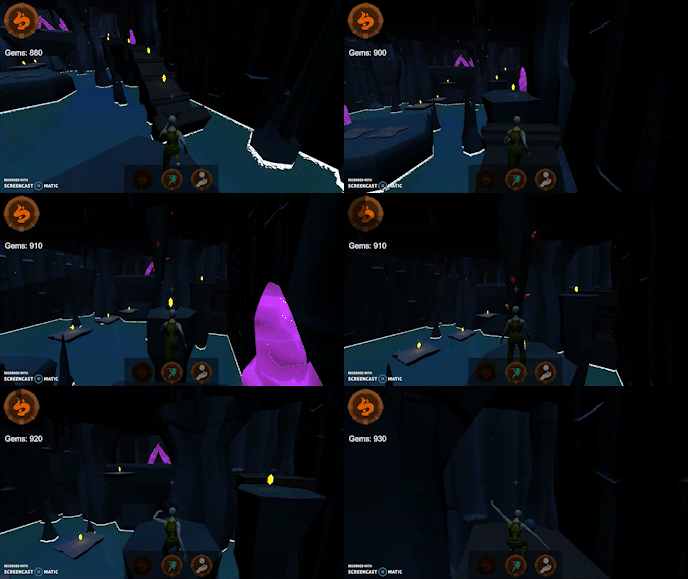
Within this puzzle, the player must utilise the fireball mechanic in order to shoot down stalactites to reach the higher areas. This gif depicts the stalactite the player has to shoot in order to reach one of the puzzle's spheres.
UI/Main Menu
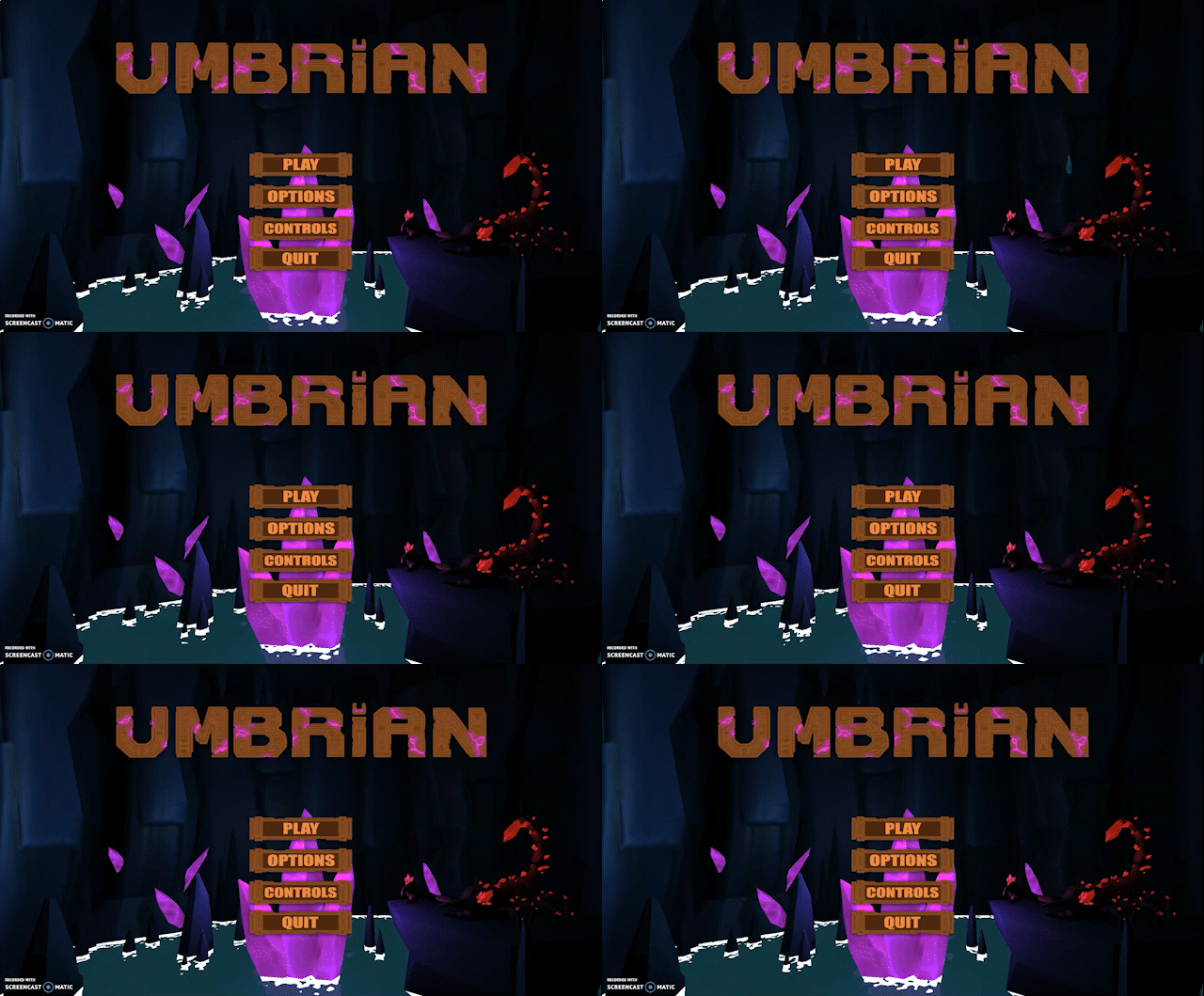
I designed and created the main menu as I frequently strive to design Main Menus that, just by glancing at them, convey to the player the mood of the game. For this menu, I incorporated the water from the game and created particle effects that imitate dripping water.
Since originally we were planning to include harmless scorpions that players could shoot for gems, I decided to incorporate one in the main menu. They also have red crystals like the stalactites. Though it could be misleading as they are not in the game, I didn't want the artist's work to go to waste, so I added it as an easter egg.